
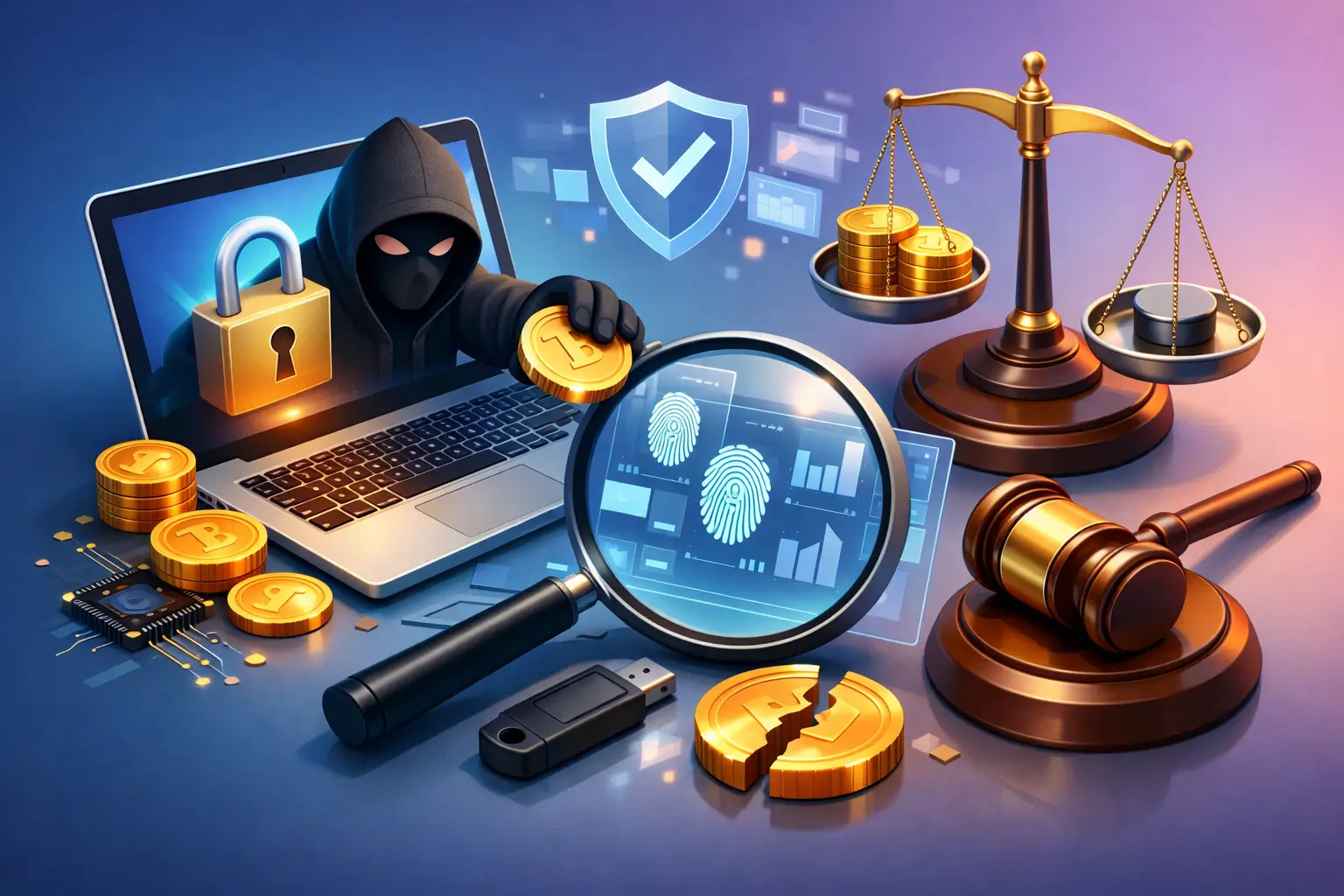
A wallet can be drained in minutes, while the path from a suspicious transaction to a viable legal claim can take months. Token theft litigation is not simply a matter of showing that assets left a wallet. The central task is converting fast-moving, pseudonymous blockchain activity into a documented evidentiary record that counsel, exchanges, investigators, and courts can assess.
For victims, that distinction matters. A transaction hash may prove that a transfer occurred. It does not, by itself, establish who controlled the destination wallet, what deception or unauthorized access caused the transfer, where the assets went after the initial theft, or which legal remedy is available. A disciplined investigation connects those points without overstating what the blockchain can prove.
Token Theft Litigation Starts With a Provable Narrative
The strongest cases begin with a clear factual narrative supported by verifiable records. That narrative usually has three parts: how control of the assets was lost, how the assets moved on-chain, and what evidence may identify or preserve a claim against a person, platform, or intermediary.
A phishing drain, for example, may involve a fraudulent website that induced the victim to sign a malicious approval. A fake investment platform may involve deposits to wallets controlled by fraudsters, followed by transfers through multiple addresses and eventual cash-out activity. A business dispute may concern an employee, partner, or service provider who had authorized access but allegedly diverted tokens for an unauthorized purpose.
These scenarios can look similar on a block explorer. Legally, they may be very different. The appropriate claim could depend on fraud, breach of contract, conversion, unjust enrichment, fiduciary duties, unauthorized access, or other facts determined by the applicable jurisdiction. The forensic work should preserve the facts rather than force them into a predetermined legal theory.
Tracing Is Not the Same as Attribution
Blockchain tracing can identify transaction paths, wallet interactions, token swaps, bridge transfers, and possible exposure to exchanges or other regulated services. It can also identify patterns consistent with consolidation, obfuscation, or off-ramping. Those findings are often highly valuable, particularly when assets are still moving.
Attribution is a separate question. A wallet address is not a legal name. Identifying the individual or entity behind an address may require records held by an exchange, payment provider, telecom company, domain registrar, or other third party. Access to those records generally requires an appropriate legal or law-enforcement process.
This is why credible token theft litigation does not promise that every traced address will immediately reveal an identifiable defendant. It focuses on what can be established now, what information is held by third parties, and which procedural steps may preserve that information before it disappears.
Preserve Evidence Before It Changes
Blockchain records are persistent, but the surrounding evidence often is not. Fraudulent websites go offline. Messaging accounts are deleted. Exchange support portals update case histories. Mobile devices may overwrite data, and victims may unintentionally alter records while trying to regain access.
As soon as a loss is identified, preserve the available evidence in its original form where possible. A practical case file should include at least the following:
- Wallet addresses, transaction hashes, token contract addresses, network names, timestamps, and transaction values.
- Screenshots and original files from the wallet, exchange account, fraudulent website, email account, and messaging platform.
- A chronological account of what occurred, including contact names, usernames, phone numbers, URLs, and instructions received.
- Records of deposits, purchases, bank transfers, card payments, prior withdrawals, and communications with exchanges or law enforcement.
Screenshots are useful, but they should not replace original exports, emails, or device-level records. Metadata, timestamps, and file provenance may matter later. Counsel and forensic providers should also document when evidence was received, how it was stored, and whether any files were transformed for analysis. That chain of custody strengthens the credibility of the final work product.
Victims should avoid sending seed phrases, private keys, recovery codes, or remote access credentials to anyone claiming to help. A legitimate forensic investigation does not require a victim to surrender control of a wallet. Nor should a recovery provider take custody of recovered assets or demand a supposed release, tax, clearance, or liquidity fee before funds can be returned.
What an Evidence-Grade Forensic Report Should Do
A useful litigation report is more than a visual transaction map. It should allow a lawyer, compliance officer, or opposing expert to understand how the findings were reached and to test the underlying evidence.
The report should identify the source materials reviewed, the relevant addresses and transactions, the analytical methodology, and the limits of the conclusions. It should show transaction flows in a logical sequence, distinguish confirmed facts from analytical assessments, and record the dates on which data was collected. Where address labels or service-provider identifications are used, the report should explain their basis and confidence level.
The report should also separate asset tracing from legal conclusions. An investigator may document that stolen USDT moved through a series of wallets and reached an identified exchange deposit cluster. Counsel determines how that evidence supports pleadings, disclosure applications, preservation requests, or other legal action.
For complex matters, the deliverables may include transaction schedules, address inventories, visual flow diagrams, source-evidence appendices, and a written chronology. These materials help legal teams avoid a common failure point: presenting a large volume of blockchain data without a coherent explanation of why it matters.
Jurisdiction Can Determine the Recovery Path
Digital assets move across networks, but legal authority does not. A victim in the United States may have interacted with a fraudulent website hosted elsewhere, sent tokens through wallets associated with several countries, and ultimately see assets arrive at an exchange serving customers in another jurisdiction.
That does not make recovery impossible. It does mean that the first question is often procedural: where can a claim be brought, which party is subject to the court's authority, and where are the relevant records or assets located? The answer may depend on the victim's residence, the defendant's connections, the platform's terms, the location of exchange operations, and the applicable law.
In some cases, civil counsel may seek urgent preservation or disclosure measures where available. In others, a criminal complaint, regulatory report, or formal request to an exchange is the more immediate route. These tracks can overlap, but they should be coordinated carefully. Poorly framed communications or unsupported accusations can reduce cooperation and create avoidable complications.
Speed matters most when tracing identifies a likely service-provider exposure. A centralized exchange may have internal records that could help identify an account holder or preserve assets, but it operates under its own compliance procedures and legal obligations. An exchange is unlikely to release customer information based solely on an informal demand from a victim. Clear evidence, an accurate transaction trail, and the correct legal process are essential.
Remedies Depend on the Facts, Not the Value Lost
Victims understandably want a direct answer to one question: can the tokens be recovered? The honest answer is that it depends on whether assets remain traceable, whether they reach a point of control, whether a defendant can be identified, and whether there is an enforceable remedy against that defendant or intermediary.
Where assets are still held at a regulated platform, preservation and legal action may create a meaningful recovery opportunity. Where assets have been converted, bridged repeatedly, mixed with unrelated funds, or moved into self-custodied wallets, the work may become more difficult and expensive. Even then, tracing may still support a law-enforcement report, a civil claim, an insurance matter, a tax-loss analysis, or a wider fraud investigation.
A responsible provider should discuss these trade-offs early. No forensic firm can guarantee a freeze, an exchange disclosure, a court order, or a financial recovery. What it can provide is a defensible account of the asset flow and a practical view of the available next steps.
Coordinating Counsel, Forensics, and Compliance
The most effective matters are managed as a coordinated process rather than a sequence of disconnected tasks. Counsel defines the legal objective. Forensic analysts trace the assets and preserve the technical evidence. Compliance specialists prepare information in a format that can support exchange liaison, suspicious activity reporting, or FIU-aligned referrals where appropriate.
AssetTrace works within this evidence-first model: analyzing wallet activity, preparing structured forensic documentation, and supporting legal and compliance coordination without taking possession of client funds. That separation is intentional. It protects the victim from secondary exploitation and keeps the investigative record focused on facts, methodology, and lawful recovery channels.
Before engaging any provider, ask what evidence will be delivered, whether the provider will request private keys, how personal data will be handled, and whether the provider can explain the limits of the proposed work. Vague promises of guaranteed recovery are not a sign of confidence. They are often a warning that the process lacks legal and forensic discipline.
A theft does not become less serious because it occurred on a blockchain. Treat the first transaction like the beginning of an evidence trail: preserve it, document it, and move quickly enough that the next lawful step remains available.
Lost crypto to a scam or theft?
Start with a free, confidential review. We'll tell you honestly whether a trace can help — recovery is never guaranteed.